


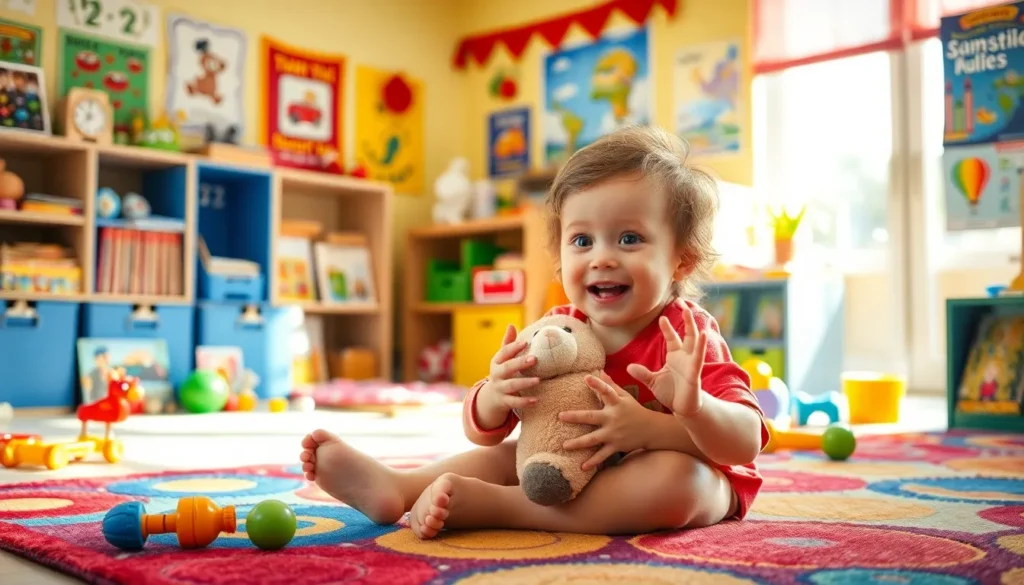
When it comes to young children learning English as their first language, the journey is anything but ordinary. Picture a toddler attempting to pronounce “rhinoceros” while simultaneously trying to convince their favorite stuffed animal to join in on a tea party. It’s a delightful chaos that highlights just how unique each child’s learning experience can be.
Overview of Language Acquisition
Language acquisition in young children occurs through immersion in their environment. They absorb sounds, words, and structures naturally, forming the foundation for communication. Interaction plays a critical role. Engaging with caregivers and peers allows for practical language use, which reinforces learning.
Children learn in stages, starting with cooing and babbling. By six months, they begin experimenting with various sounds, paving the way for their first words around twelve months. Vocabulary expands rapidly; by age two, a child typically knows about 200 words.
Listening comprehension precedes verbal skills. A child understands spoken language, even before articulating thoughts clearly. Direct exposure to conversations enhances this understanding.
Play becomes a vital component of language development. Through imaginative play, children create dialogues and stories, applying new vocabulary in context. Such activities foster creativity while enhancing linguistic skills.
Social settings also influence language acquisition. Interactions with different speakers expose children to diverse accents and vocabulary. These settings create opportunities for crafting unique expressions and adapting language use.
Continuous reinforcement is essential. Adults model proper grammar and vocabulary, correcting errors gently. Repetition solidifies learning, ensuring retention of new concepts.
The process of language acquisition is intricate, marked by personal variations. Each child’s experiences shape their learning path, resulting in a rich tapestry of linguistic growth. As they navigate this journey, they develop not only language skills but also social connections, enhancing their overall communication abilities.
Importance of Early Language Development
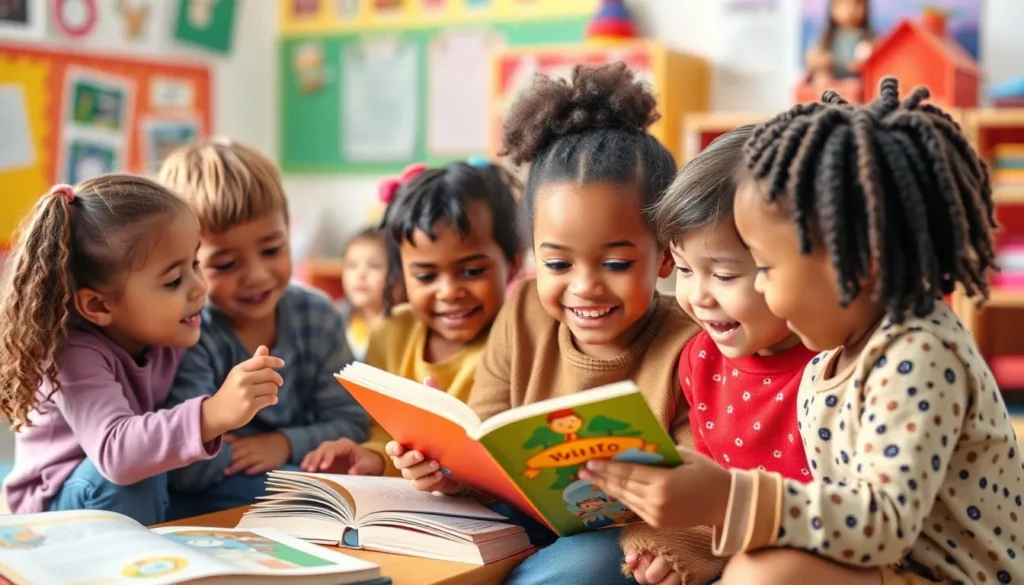
Early language development lays the foundation for lifelong communication skills. It affects cognitive abilities and social interactions significantly.
Cognitive Benefits
Language acquisition enhances cognitive skills in young children. Increased vocabulary fosters better reasoning and problem-solving abilities. Children learn to think critically as they grasp new concepts and ideas. Exposure to language stimulates brain development, leading to improved memory functions. Studies show that children who engage in rich language experiences outperform peers in verbal IQ tests. They often excel in academic settings, where strong language skills correlate with overall success. Diverse linguistic interactions also promote creativity, allowing children to navigate various thoughts and perspectives.
Social Benefits
Language skills significantly influence social development. Children learn to communicate effectively with peers and adults, fostering meaningful relationships. The ability to articulate feelings and thoughts encourages emotional intelligence. Using language to express themselves helps children navigate social situations, reducing anxiety and building confidence. Practical communication fosters teamwork and collaboration in group settings. Additionally, exposure to diverse accents and expressions enriches cultural awareness and acceptance. Consequently, children develop empathy and understanding of others, which are essential for forming lasting connections.
Factors Influencing Language Learning
Language acquisition in young children hinges on several key factors. Those include home environment and educational settings, both vital for comprehensive language development.
Home Environment
A child’s home environment profoundly impacts language acquisition. Varied verbal interactions from parents and caregivers stimulate vocabulary growth. Regular conversations expose children to new words and phrases, promoting understanding. Reading books together nurtures imagination and vocabulary simultaneously. Children benefit from hearing different dialects and accents, which enhance their comprehension skills. Engaging in dialogues fosters confidence, encouraging them to express thoughts clearly. Consistent support from adults solidifies learning, ensuring children feel secure in their language exploration.
Educational Settings
Educational settings play a crucial role in language learning. Structured activities promote language use in a social context, enhancing communication skills. Teachers utilize interactive techniques to motivate participation, such as storytelling and group projects. Peer interactions further diversify linguistic exposure, encouraging children to adopt new vocabulary and phrases. Classrooms often integrate games that make learning enjoyable and memorable. Assessing developmental milestones helps educators tailor approaches that meet individual needs, ensuring each child’s language growth stays on track. Collaborating with families reinforces these learning strategies, strengthening overall language development.
Common Challenges Faced by Young Learners
Young children learning English face several challenges that can impact their development. These challenges often vary, reflecting individual experiences and environments.
Phonological Awareness
Phonological awareness is critical for early language acquisition. Many children struggle to recognize and manipulate sounds in spoken language. Distinguishing between similar sounds often proves difficult, which can interfere with their ability to read and write later on. Activities, such as rhyming games and phoneme segmentation exercises, significantly enhance this skill. Research emphasizes that a strong foundation in phonological awareness leads to better literacy outcomes. Furthermore, engaging with songs and stories offers practical ways to deepen this understanding.
Vocabulary Development
Vocabulary development plays a pivotal role in a child’s language journey. Limited exposure to varied words often restricts children’s expressive abilities. Children encounter new vocabulary through everyday interactions, stories, and educational activities. Rich language experiences contribute to a broader vocabulary base. According to studies, children with expansive word knowledge perform better academically. Encouraging conversations, reading diverse materials, and introducing new concepts fosters vocabulary growth. Creating an enriching environment aids in overcoming vocabulary challenges and building confidence in language use.
Strategies to Support Language Learning
Supporting young children in learning English requires effective strategies. Two key methods include interactive reading and play-based learning.
Interactive Reading
Interactive reading engages children by encouraging participation. Adults can ask questions to stimulate discussions and invite children to predict what happens next in the story. This approach not only reinforces comprehension but also fosters vocabulary expansion. For instance, pointing out new words and providing context helps children understand meanings. Adults can use expressive tones and gestures to convey emotions, making the reading session more enjoyable. Sharing stories that reflect diverse cultures enhances their understanding of language nuances. Frequent reading sessions strengthen the parent-child bond while establishing a love for reading early on.
Play-Based Learning
Play-based learning offers creative opportunities for language development. Imaginative play lets children experiment with vocabulary through role-playing scenarios. For example, pretending to be a doctor or a teacher facilitates new conversations. Engaging in games that involve following directions encourages listening skills and comprehension. Children learn to communicate their thoughts and feelings during play, enhancing expressive language. Incorporating group activities also promotes social interaction, exposing children to diverse linguistic styles. Through play, children naturally acquire language skills while having fun, creating a rich environment for learning.
Young children learning English as their first language embark on a remarkable journey filled with exploration and growth. Their unique experiences shape their language skills and social interactions. Through play and engagement with caregivers, they absorb language naturally, paving the way for effective communication.
As they navigate various stages of language development, the importance of supportive environments becomes clear. Encouraging conversations and diverse linguistic exposure fosters not just vocabulary but also cognitive abilities and emotional intelligence.
Ultimately, these early experiences lay the groundwork for lifelong communication skills, enhancing both personal and academic success. By nurturing their language development, caregivers and educators play a crucial role in shaping confident and expressive individuals ready to engage with the world.