



Learning Arabic is like opening a treasure chest of opportunities, cultural wonders, and linguistic challenges. It’s not just about memorizing vocabulary: it’s about diving into a world rich in history and connection. Imagine speaking to someone in their native tongue and watching their eyes light up, there’s magic in that moment. So, buckle up as we explore why mastering Arabic is not just a good idea, but a passport to a vibrant experience.
The Importance Of Learning Arabic
Benefits In Global Context
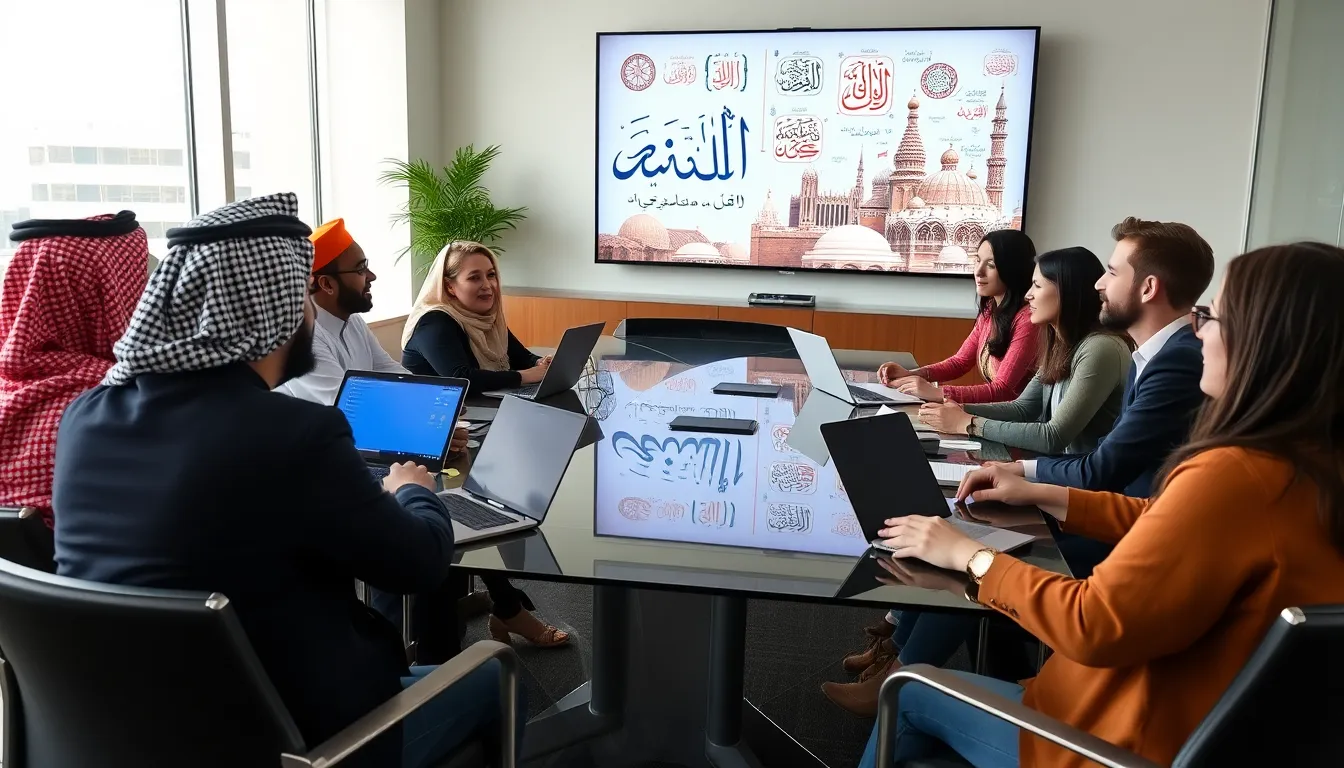
Arabic is one of the most spoken languages globally, with over 400 million speakers. With religions, customs, and histories intertwined, learning Arabic opens up a profound understanding of various cultures. In today’s interconnected world, two-thirds of the world’s oil reserves lie in Arabic-speaking countries, making it not just a language of culture but a key to economic insights too.
Cultural Insights And Appreciation
Arabic itself is a linguistic marvel. Each region has its dialect, reflecting specific traditions and lifestyles. Through learning Arabic, individuals can truly appreciate literature, poetry, and music, revealing layers of humanity often lost in translation. Plus, who wouldn’t want to jump into the beauty of Arabic calligraphy or savor the nuance of traditional storytelling?
Professional Opportunities
In the realm of professional growth, knowing Arabic can give an edge in many fields. Businesses engaged in global trade often seek individuals who can navigate Arabic-speaking markets. From diplomacy to media, the demand for Arabic speakers is on the rise, providing a wide array of career paths that others might miss.
Key Challenges In Learning Arabic
Dialects And Variants
A significant hurdle in learning Arabic lies in its numerous dialects, each region boasts its own unique twist. For instance, Egyptian Arabic vastly differs from the dialects spoken in the Gulf or Levant. This variety can be overwhelming at first, as learners might struggle to choose which dialect to focus on. But, this richness also offers insight into the diversity of Arab culture.
Script And Orthography
The Arabic script poses another challenge, with its unique characters, a beautiful yet complex script written from right to left. Unlike English, Arabic letters change shape according to their position in a word. This might seem daunting, but with patience and a bit of practice, learners can master reading and writing comfortably over time.
Tips For Effective Arabic Language Learning
Selecting The Right Resources
Choosing effective resources is paramount in navigating the Arabic learning adventure. Whether opting for dedicated language apps, online courses, or traditional textbooks, a combination of methods usually yields the best results. Find resources that match learning styles: some prefer interactive methods, while others thrive on structured learning pathways.
Immersive Language Practices
Embracing immersive practices is one of the best ways to solidify language skills. Watching Arabic films and shows, listening to Arabic music, or even engaging with Arabic content on social media channels can enhance comprehension. The more exposure learners have to the language, the stronger their conversational abilities will become.
Engaging With Native Speakers
Perhaps the most rewarding tip is to communicate with native Arabic speakers. This could be through language exchange programs or local community engagement. Conversing helps learners grasp colloquialisms and slang, which textbooks often overlook. Plus, it’s a fantastic way to build confidence in speaking.