


Imagine a world where every child could wield the power of language like a superhero with a magic wand. Language and literacy aren’t just about reading books or passing tests: they’re the keys to communication and understanding the very fabric of society. It’s not only beneficial for personal growth but transforms the way individuals interact with others. Are those surprises galloping around your mind? Well, buckle up. We’re about to embark on a journey through the intriguing realms of language and literacy development, learning how it shapes cognitive skills, enhances social capabilities, and much more.
The Importance Of Language And Literacy Development
Language and literacy development is akin to planting seeds in a garden, nurturing them so they can bloom into something extraordinary. The implications of this growth stretch far beyond simple education.
Cognitive Benefits Of Language Acquisition
When one acquires a language, it’s not just about stringing words together. Cognitive functions such as memory, problem-solving, and critical thinking significantly enhance. Research shows that children exposed to multiple languages can outperform their monolingual peers in tasks requiring focus. Imagine the brain as a muscle: the more it works, the stronger it becomes.
Social Skills And Communication Enhancement
Language is the conduit for communication, and proficiency in it enhances social skills. Children learn to express their feelings, share ideas, and work collaboratively with others. They become adept at reading social cues even before they realize it. From casual conversations to deeper discussions, language enables connections that lay the foundation for relationships.
Multilingualism: A Gateway To Cultural Awareness
Multilingualism isn’t just a skill: it’s a doorway to a rich tapestry of cultures. Being fluent in more than one language opens up a world of experiences that shapes perspectives. Children who learn languages gain insights into different customs, traditions, and values. This cultural awareness promotes empathy and breaks down barriers, paving the way for global citizenship. Have you ever seen a child effortlessly switch from one language to another? It’s like watching a magician perform.
Best Practices For Teaching Language And Literacy
Effective teaching practices make all the difference in how learners engage with language. Creating a stimulating environment cultivates a genuine interest in learning.
Incorporating Technology In Language Learning
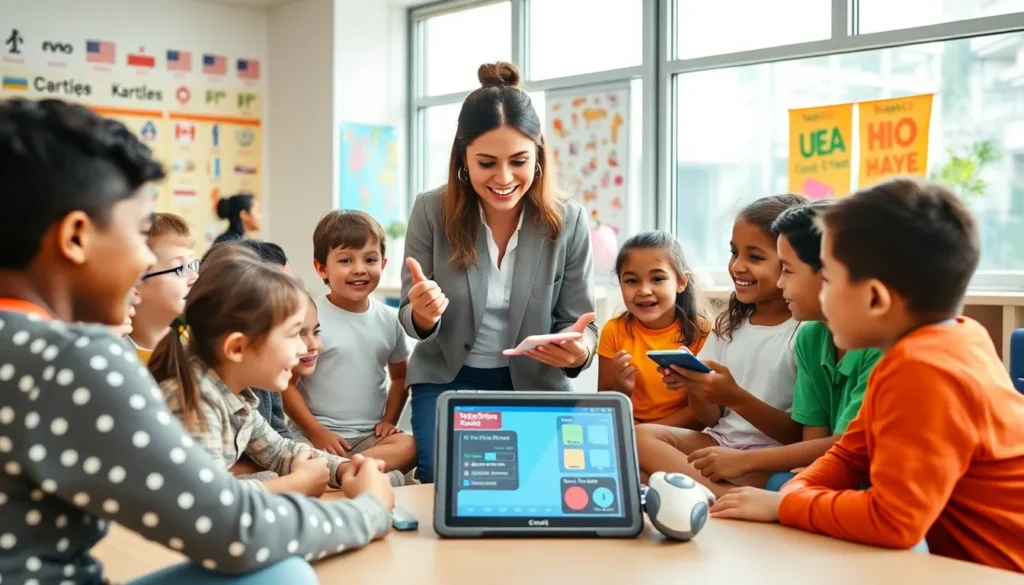
In today’s digital age, technology plays a crucial role. Utilizing apps, interactive games, and online resources can captivate learners, making language acquisition more fun and accessible. Think of the thrilling world of language learning apps: they provide instant feedback and allow learners to practice at their own pace.
Games And Interactive Tools For Literacy
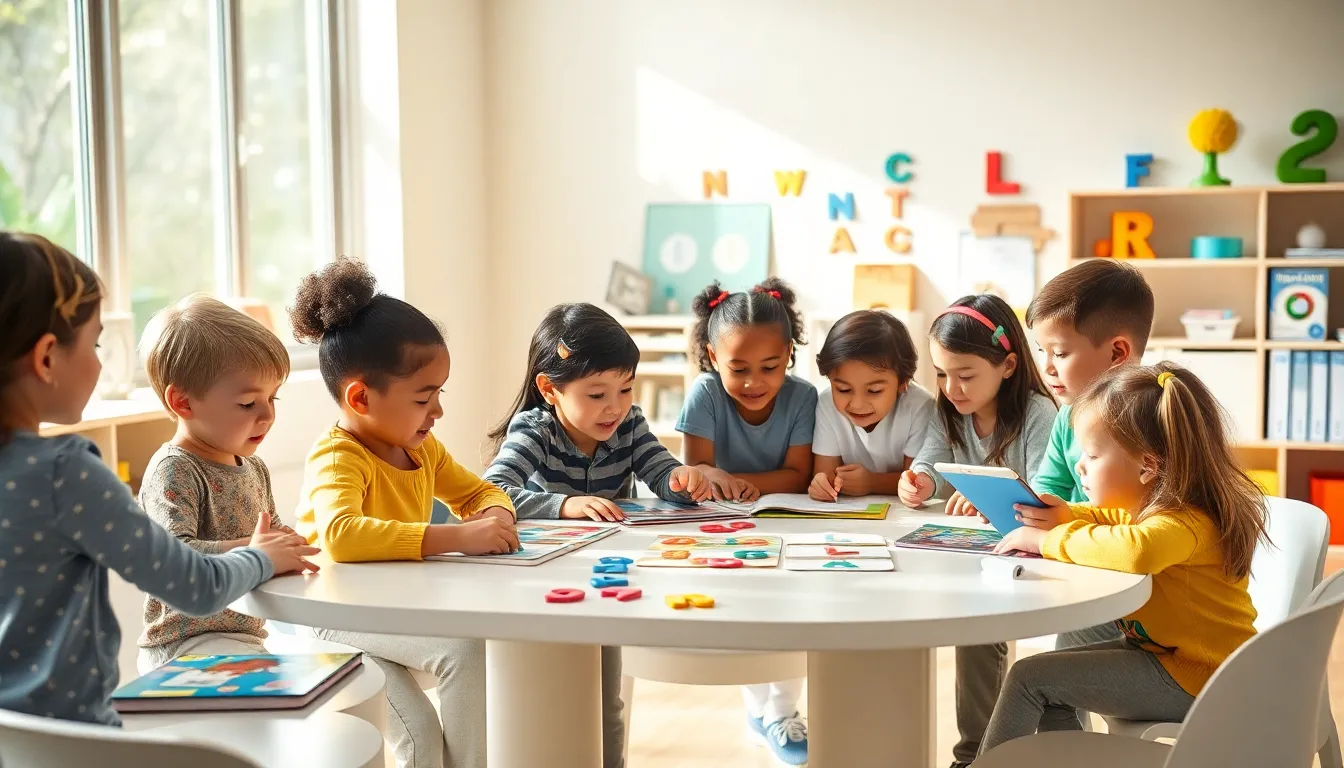
Who said learning has to be dull? Games and interactive tools breathe life into literacy instruction. Board games, word puzzles, and storytelling apps combine education with entertainment, making lessons enjoyable. Children engage more actively when they perceive learning as play.
Creative Approaches To Language Instruction
Creativity in instruction sparks interest and facilitates deeper learning. Educators can cultivate imagination and enjoyment through innovative methods.
Storytelling And Its Role In Language Learning
Storytelling is an age-old technique that transcends time and culture. It engages listeners and encourages them to use their imagination. Through stories, learners can practice vocabulary in context, develop listening skills, and gain cultural insights. Consider how captivating a well-told story can be, it’s a gateway to language acquisition.
Using Visual Aids And Contextual Learning
Visual aids provide additional layers of context that can enhance understanding. Integrating images, charts, and real-life scenarios supports learners in grasping complex concepts. Contextual learning makes vocabulary and grammar more relatable, bridging the gap between theory and practice.