


In a world where traditional sports are getting a run for their money, esports livestreams have taken center stage, and they’re not just for the hardcore gamers anymore. Picture this: a global audience glued to their screens, cheering for their favorite teams as they battle it out in virtual arenas. It’s like the Super Bowl, but with more pixels and less nacho cheese.
Overview of Esports Livestreams
Esports livestreams represent a dynamic and rapidly evolving segment of the entertainment industry. These broadcasts allow fans to engage with their favorite games in real time, supporting teams and players during high-stakes matches. A Nielsen report notes that 80% of esports fans watch livestreams regularly, showcasing a substantial commitment to this medium.
Major platforms host events, including Twitch, YouTube, and Facebook Gaming. These services enhance viewer interaction through live chats, viewer polls, and various community features. Streaming quality and production values have improved significantly, attracting a broader audience beyond traditional gaming enthusiasts.
Various genres exist within esports, including first-person shooters, battle royales, and Multiplayer Online Battle Arenas (MOBAs). Titles like “League of Legends,” “Counter-Strike: Global Offensive,” and “Fortnite” draw millions of viewers, illustrating extensive viewer interest. Unique strategies and skilled gameplay further amplify the excitement, engaging fans across different skill levels.
Additionally, sponsorships and advertising play crucial roles in the growth of esports livestreams. Companies invest heavily to reach this vibrant demographic, acknowledging the potential for brand engagement. As a result, events frequently showcase leading brands, creating synergistic opportunities for promotion.
Lastly, esports tournaments held worldwide garner significant attention, often filling arenas with live spectators. Major events can attract millions of online viewers, rivaling traditional sports broadcasts. This phenomenon solidifies livestreaming as a pivotal medium, ensuring its relevance and continued growth in the entertainment landscape.
Popular Platforms for Esports Livestreams
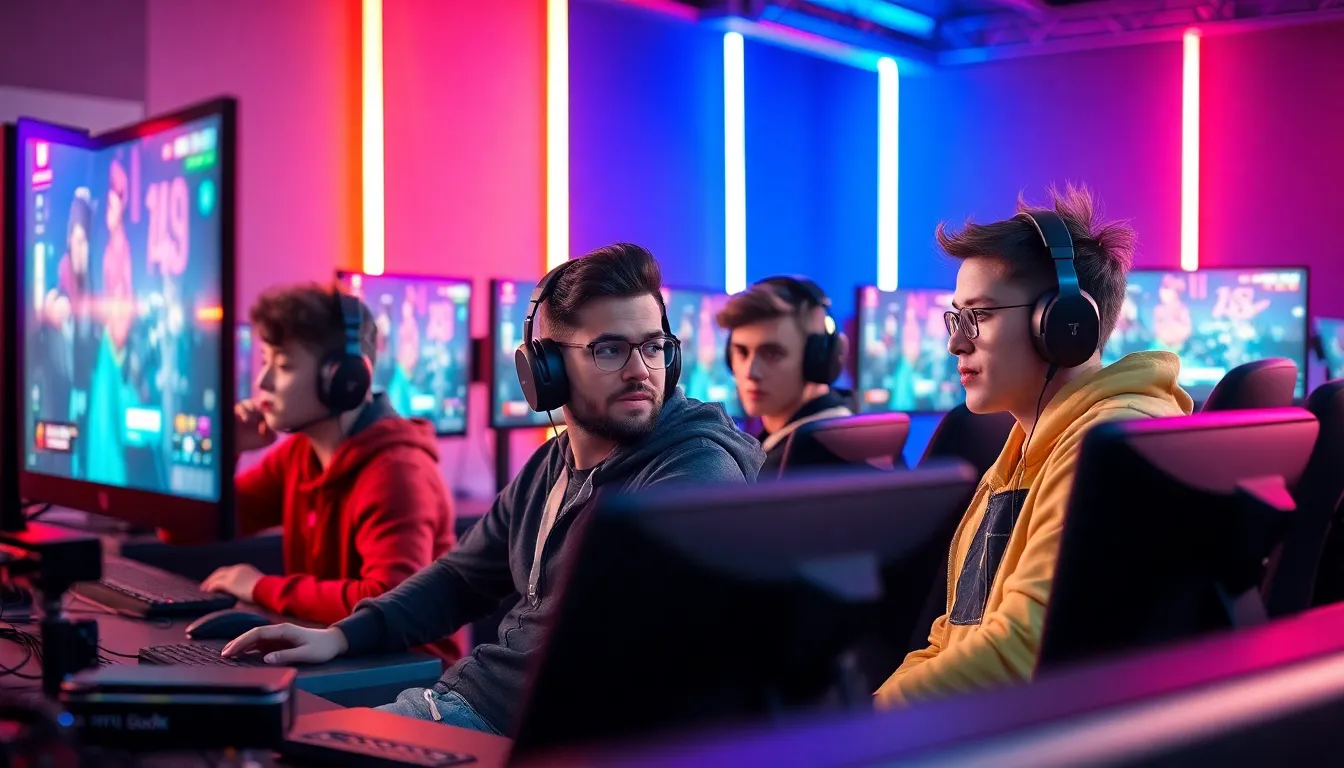
Several platforms dominate the esports livestreaming landscape, each offering unique features that cater to diverse audiences.
Twitch
Twitch remains the leading platform for esports livestreams, boasting over 140 million unique monthly viewers. This platform thrives on its community interaction, allowing fans to engage through live chat during streams. Gamers widely prefer Twitch for its focus on real-time gameplay and a plethora of featured games. Streamers leverage the platform’s tools to create engaging content, fostering a sense of loyalty among followers. Additionally, Twitch routinely hosts major esports tournaments, drawing in massive audiences and showcasing premier competitive events.
YouTube Gaming
YouTube Gaming holds an impressive share of the esports streaming market, with millions of active gamers and fans. Featuring an extensive library of videos, this platform appeals to users looking for recorded streams and highlights. YouTube Gaming integrates seamlessly with Google services, enhancing user experience and engagement. Content creators utilize tools for monetization and promotion, expanding their reach. Major tournaments often stream on YouTube, capitalizing on its extensive user base and global accessibility.
Facebook Gaming
Facebook Gaming has quickly emerged as a rival in the livestreaming space, leveraging its social network’s vast reach. With 700 million gaming users monthly, Facebook Gaming taps into existing social connections for audience growth. Streamers benefit from easy sharing, allowing viewers to connect with their friends and discover new content. Additionally, Facebook’s infrastructure supports high-quality streams and various interactive features. The platform hosts branded events and sponsorship opportunities, enticing both gamers and advertisers to engage in this growing sector.
Key Features of Successful Esports Livestreams
Successful esports livestreams leverage multiple key features that enhance viewer engagement and enjoyment. Two of the most critical aspects include interactive elements and quality of production.
Interactive Elements
Interactive elements play a pivotal role in keeping the audience engaged. Live chats enable viewers to connect with each other and share real-time reactions, fostering a sense of community. Polls and quizzes allow fans to participate in gameplay predictions or express opinions about teams. Streamers often engage directly with their audiences, responding to comments and acknowledging fans during broadcasts. This engagement strengthens viewer loyalty, as it creates a shared experience among fans. Major platforms like Twitch and YouTube Gaming provide various tools for interactivity, ensuring fans remain invested throughout the livestream.
Quality of Production
Quality of production significantly impacts how audiences perceive the livestream. High-definition video and crisp audio create an immersive viewing experience, allowing fans to appreciate every detail of the gameplay. Professional graphics, overlays, and live score updates contribute to a polished broadcast. Consistent streaming schedules also enhance reliability, ensuring fans know when to tune in. Moreover, skilled commentators add depth to the gaming experience through insightful analysis and play-by-play commentary, keeping viewers informed and entertained. Investing in quality production not only attracts a larger audience but maintains their interest during high-stakes competitions.
The Impact of Esports Livestreams on Gamers and Fans
Esports livestreams significantly shape the gaming culture, creating a vibrant community for gamers and fans alike.
Community Building
Esports livestreams facilitate strong community building among fans. Chat features allow viewers to interact with each other and streamers during live events. These real-time engagements foster a shared sense of belonging, enhancing the viewing experience. Many fans develop friendships through shared interests in specific games or teams. Live interactions support this camaraderie, often leading to organized fan groups. Furthermore, communities extend beyond the streams into social media platforms, reflecting a united fan base dedicated to their favorite esports events.
Viewership Trends
Viewership trends indicate a remarkable growth in esports livestreaming. A 2023 Nielsen report shows that 80% of esports fans engage with livestreams regularly. This level of commitment highlights the medium’s essential role in gaming culture. Platforms like Twitch report over 140 million unique monthly viewers, asserting their dominance in the space. YouTube Gaming also attracts significant audiences, offering diverse content, including recorded streams and highlights. Additionally, Facebook Gaming capitalizes on its extensive social network reach, connecting with 700 million active gaming users monthly. These statistics underscore the continued rise of esports and its captivating influence on global audiences.
Future of Esports Livestreams
Esports livestreams continue evolving with technological advancements and changing viewer preferences. This growth introduces new opportunities and challenges for the industry.
Emerging Technologies
Innovative technologies revolutionize how fans engage with esports. Virtual reality enhances immersion, allowing viewers to experience events from different angles. Augmented reality brings interactive elements that blend digital content with the real world. Blockchain technology enhances transparency in transactions and ownership related to in-game assets. Streaming platforms implement artificial intelligence to personalize viewer experiences, tailoring content recommendations and improving interactivity. These advancements contribute significantly to viewer satisfaction and retention.
Potential Challenges
Despite the promising future, several challenges could impact esports livestreams. High production costs often deter new entrants from the market. Connectivity issues remain a significant concern, especially in regions with limited internet access. Content moderation also poses difficulties for platforms, as they strive to maintain a positive environment while addressing toxicity in chat features. Additionally, audience fragmentation occurs across various platforms, making it difficult for sponsors to reach targeted demographics effectively. Addressing these challenges will be essential for sustaining growth in the esports livestreaming sector.
Esports livestreams have transformed the way fans engage with gaming. The blend of real-time competition and community interaction creates an exhilarating atmosphere that rivals traditional sports. As platforms continue to innovate and enhance viewer experiences, the potential for growth remains immense.
The commitment of fans to this medium is evident in the impressive viewership statistics and the thriving community culture. While challenges exist, the future of esports livestreaming looks promising. With advancements in technology and a dedicated audience, esports will likely continue to evolve and captivate millions worldwide.