


In a world where gaming has gone from basement battles to sold-out arenas, esports competitions have become the new gladiatorial games. Fans cheer, players strategize, and the stakes are higher than ever. But with so many tournaments popping up like mushrooms after a rain, how can anyone keep track of which ones are worth their time?
Overview of Esports Competitions
Esports competitions feature various games that attract players and fans worldwide. These events showcase skills in games like League of Legends, Dota 2, and Counter-Strike: Global Offensive. Popular tournaments include The International, League of Legends World Championship, and ECS. Each tournament provides unique formats, prize pools, and audience engagement strategies.
Prize pools often surpass millions of dollars, drawing attention from sponsors and media. Fan engagement manifests in multiple ways, including live streaming, social media interactions, and in-person events. Communities form around specific games, increasing viewership and participation.
Event venues range from local arenas to massive stadiums. Notable venues include the Staples Center in Los Angeles and the O2 Arena in London. Such locations facilitate large audiences, enhancing the atmosphere and overall experience for fans.
Esports competitions also feature professional teams that gain recognition for their achievements. Teams like Team Liquid and Cloud9 represent the pinnacle of success in various titles. These organizations often recruit top talent, fostering rivalries that add excitement to competitions.
Industry growth continues to transform the landscape, with increasing investment and media coverage. Partnerships with mainstream companies further legitimize esports as a competitive platform. Whether fans prefer watching or participating, esports competitions create a vibrant ecosystem that continues to evolve, reflecting the passion of players and fans alike.
Popular Esports Titles

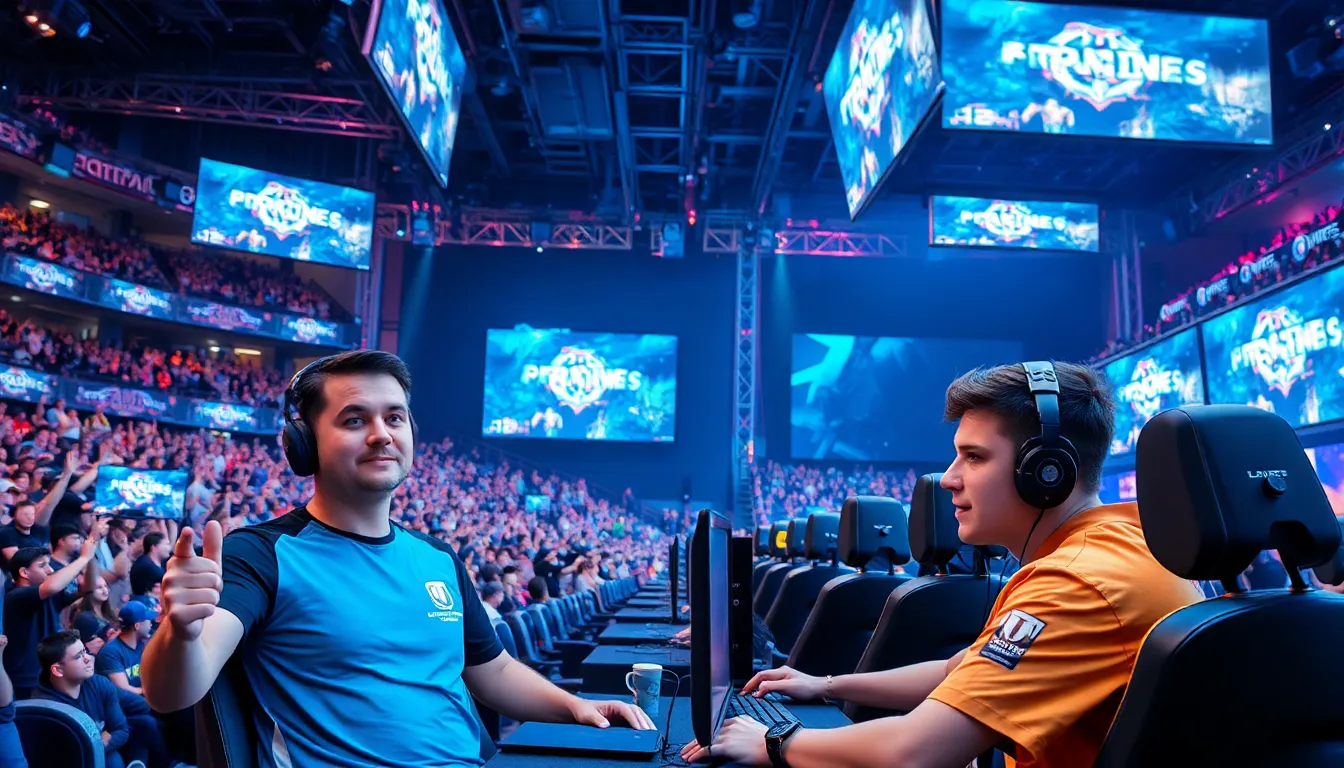
Esports boasts numerous popular titles that captivate players and audiences alike. These games define the competitive landscape and drive a significant portion of the industry’s growth.
League of Legends
League of Legends stands out as one of the most popular multiplayer online battle arena games. Released in 2009, it has attracted millions of players globally. The annual League of Legends World Championship features teams from various regions, with a prize pool often exceeding $2 million. Professional teams, like Fnatic and T1, foster intense rivalries that capture fan interest. Continuous updates and a dynamic meta keep the game fresh and engaging, ensuring a dedicated player base year after year.
Dota 2
Dota 2, developed by Valve, is renowned for its strategic depth and complexity. Since its release in 2013, it has gained a massive following and remains a staple in the esports realm. The International, Dota 2’s premier tournament, offers one of the largest prize pools in esports history, often exceeding $40 million. Professional leagues such as the Dota Pro Circuit provide year-round competition, showcasing top-tier teams like Evil Geniuses and Team Secret. Players enjoy an evolving game meta that fuels constant innovation and creativity.
Counter-Strike: Global Offensive
Counter-Strike: Global Offensive has become a legendary first-person shooter title since its launch in 2012. Esports fans flock to competitions that feature high-stakes matches in both online and LAN settings. Major tournaments like the ESL Pro League and Blast Premier attract top teams, creating an electrifying atmosphere. Players, such as s1mple and dev1ce, are celebrated for their exceptional skills, captivating audiences worldwide. The game’s focus on teamwork and strategy ensures it remains a cornerstone of the competitive gaming landscape.
Analysis of Competition Formats
Esports competitions utilize diverse formats, each designed to enhance viewer engagement and ensure a competitive spirit among players.
Tournament Structures
Tournament structures vary widely. Single-elimination formats allow teams to face off in knockout rounds, where losing a match eliminates them from the tournament. Double-elimination structures give teams a second chance, allowing them to compete in a lower bracket after losing initially. Round-robin events feature all participants playing against each other, often providing a comprehensive view of team performance. Furthermore, league-based formats, seen in games like League of Legends, enable teams to accumulate points across multiple matches, culminating in playoffs. These varying structures cater to different game types and player strategies, often impacting spectator engagement and investment.
Online vs. Offline Events
Online events dominate due to accessibility and lower costs for participants. Players can compete from anywhere, accommodating global participation. Streaming capabilities enhance viewer interaction with live chats and immediate feedback. Alternatively, offline events offer the thrill of in-person competition. Larger audiences add to the atmosphere, creating shared experiences among fans and players. Events like The International illustrate this, attracting thousands of attendees and fostering intense rivalries. While online formats provide convenience, offline events deliver unmatched excitement, blending competition with community engagement. Each format brings unique benefits, impacting player performance and spectator enjoyment differently.
Key Factors Influencing Reviews
Several critical factors contribute to the overall reviews of esports competitions. Two primary elements include gameplay quality and audience engagement.
Gameplay Quality
Gameplay quality significantly impacts overall satisfaction in esports competitions. Well-designed gameplay features robust mechanics, balance, and competitive integrity. Games like League of Legends and Dota 2 exemplify high standards, ensuring players showcase their skills effectively. Tournament organizers often emphasize fair play rules, preventing exploits that could disrupt competition. Spectators notice when teams exhibit strategic depth and cooperative synergy, enhancing the overall viewing experience. High-stakes matches filled with intense moments yield unforgettable memories for fans and players alike. Thus, flawless execution and engaging gameplay often garner the highest reviews.
Audience Engagement
Audience engagement plays an essential role in shaping the perception of esports competitions. Interactive elements, such as live chats and social media discussions, build a bridge between players and fans. Events like the League of Legends World Championship successfully utilize streaming platforms to engage millions worldwide. Those events often feature real-time analytics and commentary, enhancing understanding for casual viewers. Furthermore, in-person attendance at major tournaments boosts excitement and creates a shared atmosphere among fans. Engaging with the audience through polls, giveaways, and meet-and-greets fosters community loyalty. Ensuring high levels of audience interaction consistently elevates the review ratings of esports competitions.
Notable Esports Competition Reviews
Various tournaments and games shape the esports landscape. Recognizing standout events helps fans determine where to focus their attention.
Major Tournaments
Major tournaments, such as The International and the League of Legends World Championship, hold significant prestige within the esports realm. The International, featuring Dota 2, consistently showcases enormous prize pools that can exceed $40 million. Spectators witness unparalleled gameplay and intense rivalries, enhancing overall excitement. Similarly, the League of Legends World Championship attracts millions of viewers annually, with prize pools frequently surpassing $2 million. Event formats such as best-of-five or double-elimination emphasize skill and endurance, contributing to the competitive spirit. Reviews often highlight the exceptional production quality, engaging storylines, and fan interactions that make these events memorable.
Emerging Titles
Emerging esports titles are redefining competition dynamics. Games like VALORANT and Apex Legends gain traction rapidly, offering fresh gameplay experiences. VALORANT, launched in 2020, introduces tactical shooter elements paired with character abilities, appealing to diverse player strategies. Competitive leagues are developing around it, fostering a dedicated community and attracting sponsorship. Apex Legends, known for its unique battle royale framework, continues to evolve with seasonal updates that keep players engaged. Reviews often praise the innovation and excitement these new titles bring, as they shake up traditional competition formats and invite fresh talent into the spotlight.