


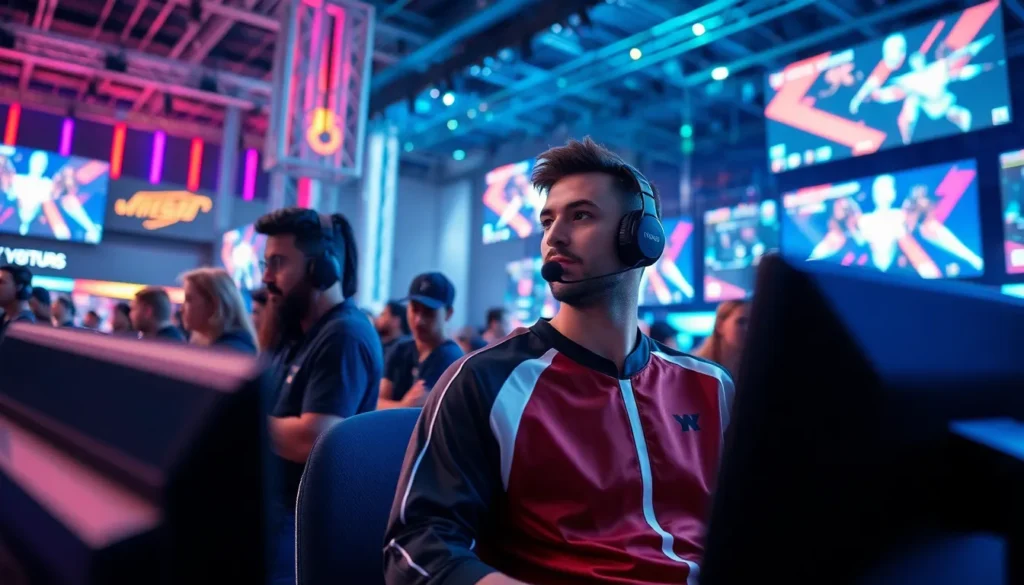
Imagine sprinting down a field, heart racing, adrenaline pumping. Now, visualize swapping that field for a digital arena, fingers dancing over a keyboard or controller. You might think, are esports really sports? As more players log in for intense showdowns, the lines between traditional sports and electronic gaming blur ever more. So, buckle up for a journey through definitions, cultural perceptions, and the rising empire of esports, because this discussion is hotter than your laptop in the middle of a marathon gaming session.
The Definition of Sports
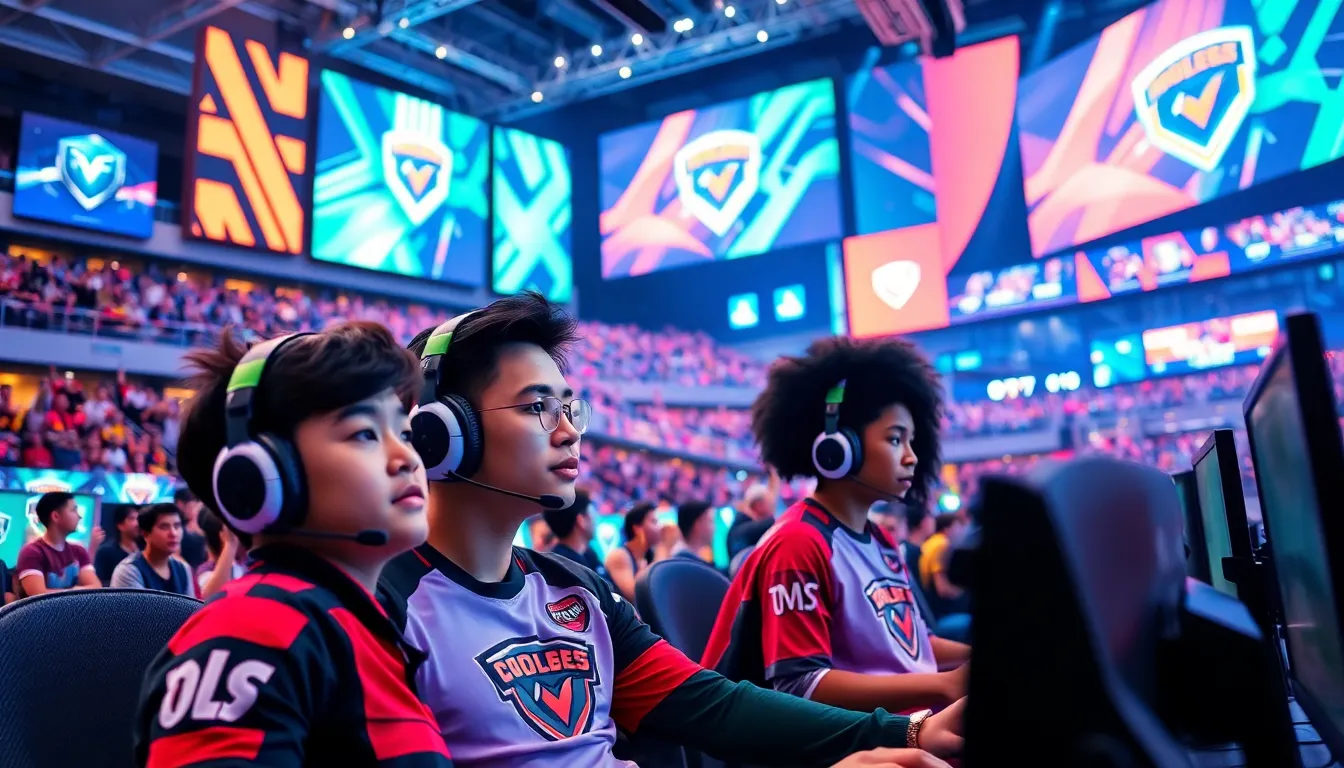
When diving into the notion of whether esports are sports, it all begins with understanding what constitutes a sport. Traditionally, a sport is characterized by competitive physical activity that adheres to specific rules. Just think of football, basketball, or soccer, these games emphasize physical prowess and skill.
But, defining sports has evolved. Many believe that anything requiring skill, strategy, and competition can fall under this umbrella. From chess to surfing, diverse activities showcase competition in various forms. So, can we apply this definition to esports? Certainly, as they demand intense focus, strategic planning, and, of course, some level of dexterity.
Eventually, the crux of the debate leans into whether non-physical engagements like gaming can qualify as sports. If strategy and competition define sports, then esports hold their own ground.
Physical vs. Mental Competition
The heart of the matter lies in a fundamental question: should the physical aspect overshadow mental prowess? Traditional sports often hinge on physical capability. Players exert themselves in a blend of agility, strength, and endurance. But on the other hand, esports thrive on mental acuity.
Gamers sharpen their reflexes and improve their hand-eye coordination, achieving levels of focus comparable to that of elite athletes. The decision-making required in competitive gaming can even mirror that of an intense physical showdown.
In this light, the mental demands of encapsulating numerous strategies and real-time responses during esports matches elevate them to a competitive status comparable to their physical counterparts. The crux of the debate isn’t merely whether esports require sweat, but whether the intensity of focus and cognitive skill doesn’t deserve equal respect.
The Rise of Esports
In recent years, esports skyrocketed into the mainstream, transcending niche gaming circles to become a global phenomenon. Events like the League of Legends World Championship or The International for Dota 2 now draw millions of viewers, making them some of the biggest sporting events in the world. The professionalization of gaming solidifies its stature and establishes its engagement on par with traditional sports.
Skills and Training Required for Esports
Esports athletes dedicate countless hours to refine their skills. Training regimens often mirror that of traditional sports: players undergo drills, strategy discussions, and practice sessions to enhance their performance. Techniques in these games are intricate, often requiring precise movements and profound game knowledge.
On top of that, fitness has slowly reclaimed a spotlight in the esports domain. Many professional gamers follow workout routines to maintain their physical well-being, knowing that mental acuity and physical health intertwine. After all, can one achieve peak mental performance without a basic level of fitness?
The Role of Strategy in Esports
Strategy remains at the forefront of esports. It’s not just about reflexes: thorough game analysis, teamwork, and proactive decision-making contribute to a successful match. Players must think several steps ahead, predicting opponents’ moves while adjusting their own tactics in real time. This level of strategic planning roots esports firmly in the realm of competitive sports, layer by layer.
Cultural Acceptance of Esports
The acceptance of esports within broader cultural frameworks acts as a testament to its legitimacy. While skeptics continue to dismiss esports as mere child’s play, acceptance grows steadily among audiences, including major media and corporations investing in gaming. Major leagues now feature sponsorships from global brands, further blending gaming into the sports landscape.
Viewership statistics indicate that esports attract substantial audiences. Twitch streams and esports tournaments garner tens of millions of viewers, rivaling traditional sporting events. This surge in audience engagement elevates esports to a cultural status worthy of recognition.
Esports in the Sports Industry
As the lines between traditional sports and esports fade, they intertwine in unexpected ways. Prominent sporting organizations are beginning to embrace esports, with leagues investing heavily in professional teams. For instance, the NBA launched its own esports league, the NBA 2K League, welcoming gamers from all corners of the world.
The adaptation shows growing realization that esports can drive new audiences and revenue. This crossover blurs the line between the two realms, showing a clear willingness to integrate the two domains further.