



Imagine waking up every day with the thrill of being part of a booming industry where teamwork, strategy, and creativity collide. Yes, you guessed it. We’re talking about esports. Gone are the days when gaming was just a hobby: now, it’s a legitimate career path packed with opportunities. Not only can you compete as a player, but you can also dive deep into various roles that keep the industry running smoothly. Buckle up, because we’re about to explore the exciting world of esports career opportunities, where your passion could turn into your profession.
Overview Of The Esports Industry
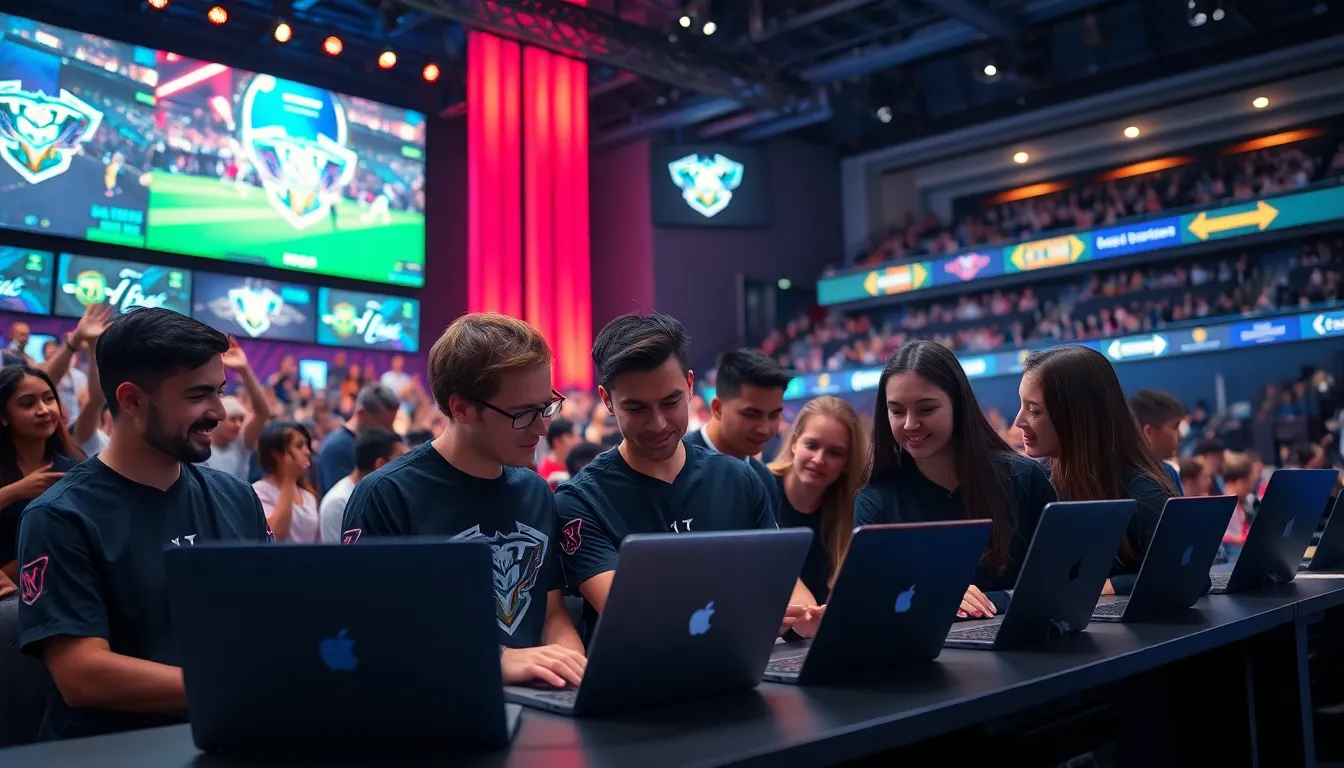
The esports industry has surged to prominence, evolving from niche tournaments in basements to grand arenas filled with thousands of passionate fans. Today, it is a multi-billion-dollar ecosystem that intertwines gaming, entertainment, and technology. According to recent studies, the global esports audience is expected to surpass 600 million by next year. With this meteoric rise comes a plethora of career opportunities for anyone eager to jump into this competitive landscape.
Esports includes a wide array of genres, from first-person shooters to multiplayer online battle arenas, attracting a diverse audience. Tournament organizers, game developers, and content creators all play pivotal roles in shaping this vibrant industry. The equation is simple: as viewership grows, the demand for esports professionals increases. This ever-expanding market isn’t showing signs of slowing down anytime soon.
Diverse Career Paths in Esports
When it comes to career options in esports, the paths are as varied as the games themselves. Here’s a breakdown of some exciting roles within the industry.
Key Roles in Esports Organizations
Esports organizations are akin to traditional sports teams but with their own unique flair. Within these structures, you’ll find roles like team managers, marketing professionals, and analysts. Team managers coordinate everything from training schedules to player contracts, ensuring that team members are well-supported and focused on success. Marketing experts work tirelessly to build brand awareness and engage audiences, utilizing social media, sponsorships, and live events.
Player and Athlete Career Paths
If someone dreams of competing in esports, pursuing a professional gaming career can be incredibly rewarding. The road to becoming a pro player involves not only immense skill but also dedication and practice. Gamers often train for several hours a day, participating in competitions worldwide to build their reputations and ranks. Success in this arena can lead to lucrative contracts, sponsorship deals, and, of course, the unmatched thrill of global tournaments.
Behind the Scenes: Support Roles
It’s not only the players who shine in esports: behind the scenes lies a network of crucial support roles. Coaches guide player development, helping them improve their skills and strategies. Event coordinators organize and execute competitions, ensuring everything runs like clockwork. Also, content creators, analysts, and commentators play key parts in giving the esports experience its energy and excitement.
Skills Required for Esports Careers
To thrive in the dynamic world of esports, specific skills can make a world of difference. Here are some must-have competencies for soaring in a career related to esports.
- Communication: Whether you’re collaborating with teammates, pitching ideas, or engaging with fans, clear communication is essential.
- Analytical Thinking: Game strategy requires quick decision-making and analysis. Skills in data interpretation can be invaluable, especially for roles that focus on player statistics and performance.
- Adaptability: The esports landscape is rapidly changing. Professionals in this field must be ready to embrace new trends and technologies as they emerge.
- Tech-Savviness: Familiarity with gaming hardware, software, and platforms is vital. Understanding streaming services and social media also plays a significant role in audience engagement.
Educational Pathways and Training
Education can vary greatly depending on the desired career within esports, but several pathways can help professionalize your journey.
For those aiming for player roles, while formal education isn’t strictly necessary, game skill is priority number one. Players often start honing their craft at a young age, joining local clubs or online communities to build experience.
For management, marketing, or organizational roles, pursuing degrees in fields such as sports management, business, or communications can be beneficial. Many universities now offer specialized courses focusing explicitly on esports. Trade schools also provide workshops that cover game design and production, perfect for aspiring content creators and tech specialists.
Networking and Building a Presence in Esports
In the esports world, connections can often be as crucial as skills. Building a network can open doors to opportunities you hadn’t even considered. Here are a few strategies:
- Social Media Engagement: Active participation on platforms like Twitter, Discord, and Twitch helps individuals engage with both fans and industry professionals. Share gameplay highlights, insights, or even behind-the-scenes content to grow your presence.
- Attend Events: Participating in esports events, whether as a spectator or staff, offers invaluable networking opportunities. Meeting industry leaders and fellow enthusiasts can be the first step in a long career.
- Join Online Communities: From Reddit forums to Discord servers, many communities focus on different aspects of esports. Engage with these communities to learn, share, and get noticed.
Future Trends in Esports Careers
As the esports sector continues to expand, several key trends could shape the future of careers in this industry.
Increased focus on diversity: Companies will likely strive for greater representation and inclusivity within teams and management. This means more opportunities for women and minorities to play roles traditionally dominated by men.
Integration with traditional sports: As the lines blur between esports and traditional sports, expect more hybrid roles to emerge. Positions combining analytics and marketing for both industries could grow more common.
Technological advancements: Innovations like virtual reality and augmented reality are set to redefine gaming experiences and career opportunities within esports. Expect professionals who can navigate these new technologies to be in high demand.